





Birthstones and Their Meanings
There are many legends and lore surrounding the practice of wearing birthstones. Many people believe that the idea started as a marketing ploy by companies selling jewellery, but the reason behind the practice is much, much deeper than that. The practice of wearing birthstones has deep roots in religion and astrology.
The Myths Behind the Birthstones Practice
One of the earliest stories connected to wearing birthstones comes from the Christian Bible. In the book of Exodus, the Breastplate of Aaron is described as having been mounted with twelve precious stones: ruby, topaz, beryl, turquoise, sapphire, emerald, jacinth, agate, amethyst, chrysolite, onyx and jasper. These twelve stones represented each of the twelve tribes of the Hebrews.
Other ancient cultures, the Hellenic and the Babylonians in particular, have associated certain precious stones with their gods and goddesses and later with the planets and stars represented in astrological signs. These stones were given attributes about the astrological signs they are linked with, as well as supernatural protective powers. To wear the particular gemstone associated with a particular month in that given month is to invoke the protection offered by the power of the stone.
Over time and as Christianity came to rise, the Church tried to downplay astrology in the lives of the flock, and so wearing gemstones came to represent guardian angels and the twelve apostles of Jesus Christ instead. The idea that gemstones have the power to protect their wearer was nonetheless retained. However, since only wealthy people can afford to own a different gemstone for each month, most people have adopted the practice of wearing just the gemstone that represents the month of their birth. Since then, these gemstones have been referred to as birthstones.
The Meaning Behind the Birthstones
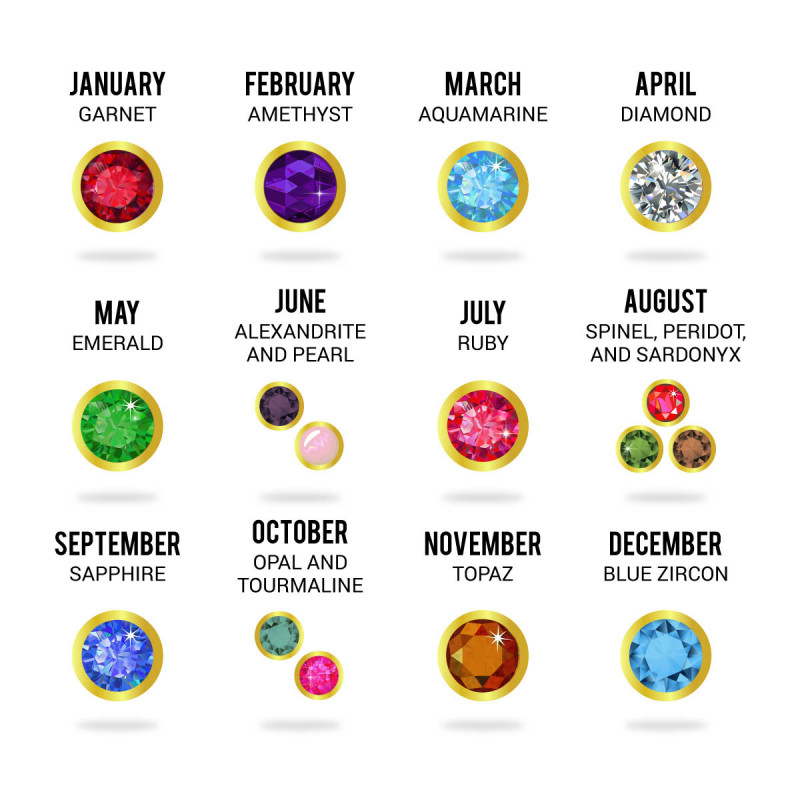
Here are the different birthstones for each month of the Gregorian calendar and the meaning behind these stones.
January Birthstone
-
 The Garnet is the birthstone for January. The bright red colour of the garnet is associated with blood and thus was thought to bestow good health upon its wearer. The garnet is also said to provide protection against nightmares and against the dangers posed by being alone in the dark. A person who favours the garnet is said to possess great patience and the capacity to endure hardships. This person whose birthstone is the garnet is consistent with his or her deeds and is blessed with a creative mind.
February Birthstone
-
 A person born in February has the Amethyst for his or her birthstone. Amethyst is said to bestow, among other things, peace and clarity of the mind to its wearer. This gem also brings him or her a heightened sense of self-awareness and intuition.
March Birthstone
-
 For the person born in March, Aquamarine is his or her birthstone. This stone is said to nurture friendliness in its wearer’s personality, making him or her a fierce and loyal comrade and companion. Because of its sea-blue colour, the aquamarine is said to grant its wearer protection when he or she goes swimming or travelling by water.
April Birthstone
-
 The Diamond, the stone of strength, longevity and innocence, is the birthstone of people born in April. Because the diamond is the hardest gemstone, it symbolises success and excellence and is believed to bring forth good fortune. The diamond is also said to bring forth the purity of its wearer and encourage him or her to be truthful always.
May Birthstone
-
 The birthstone of people born in May is the gemstone of peace and healing – the Emerald. It is believed that wearers of emeralds are granted good health and protection against illness. Wearers of emeralds are also said to have a higher level of foresight and possess the ability to communicate well with others.
June Birthstone
-
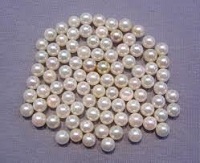
 Alexandria/Pearl, produced by oysters and therefore the only gemstones that come from a living creature, is the birthstone of people born in June. June is the month of weddings in the Western world, and so the pearl has come to be associated with successful marriages, as well as with faith, loyalty and tranquillity in life.
July Birthstone
-
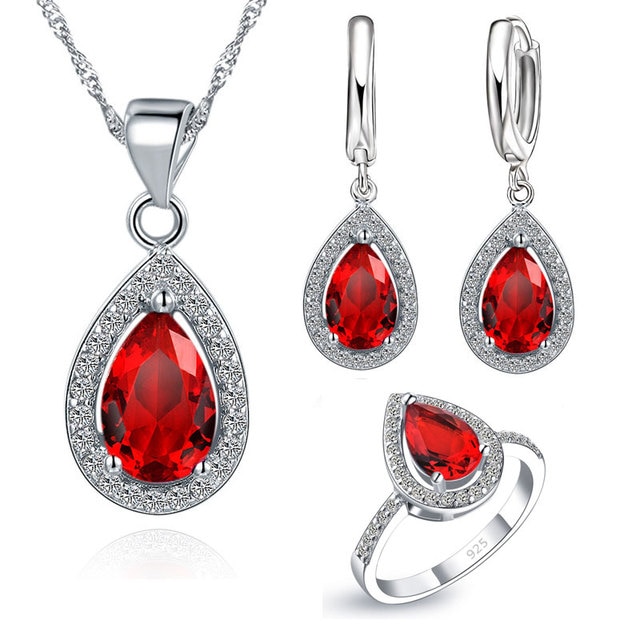
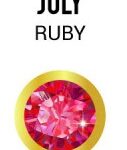 The sanguine Ruby is the birthstone for July. Because of its blood-red colour, the ruby is considered to be the gemstone for courage, strength and vitality. It is also said to nurture in its wearer integrity and contentment in himself or herself. The ruby is also said to inspire people to seek harmony with others.
August Birthstone
-
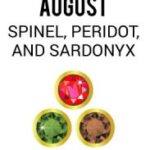 People born in August have the Spinel/Peridot/Sardonyx as their birthstone. The peridot is said to bestow a heightened sense of dignity upon its wearer and to bring him or her good fortune. It is also believed to provide its wearer protection against evil intentions and the terrors of the night.
September Birthstone
-
 Sapphire is the birthstone of September. It is a gemstone that is thought to build wisdom and clarity of thought in its wearer, as well as allow him or her the discernment to see truth no matter how deeply it is buried. The sapphire also inspires its wearer to develop serenity and tranquillity in his or her soul.
October Birthstone
-
 The birthstone for October is the Opal/Tourmaline. The opal, with its varying colours, is associated with depth in emotions. A person who wears the opal is granted the ability to feel deeply for his or her fellow person, to look at life with hope and to burn subtly with an inner fire.
November Birthstone
-
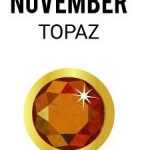 Topaz/Citrine, the birthstone for November, is a gemstone that represents health in the body as well as health in the mind. Wearing the topaz is said to hasten a person’s ability to heal his or her own body in times of illness or injury. It is also thought to nurture practicality and creativity in its wearer.
December Birthstone
-
 Wearing the Blue Zircon/Turquoise, the birthstone of December is believed to bring luck and prosperity to its wearer in time for the coming New Year. The turquoise is also said to banish negative vibrations that can hinder the wearer’s happiness and good fortune.
Traditionally, each month is associated with one birthstone, but some months have two or more birthstones associated with them. This was created to allow more affordable stones to be used instead of the traditional, more expensive stones.
Conclusion to Birthstones and Their Meanings
The practice of wearing birthstones goes deeper than any marketing ploy. It is a practice that has ancient origins, with deep roots in religion and astrology. Birthstones are versatile gifts to give in any season or occasion. Giving birthstones to loved ones shows caring and deep regard.
Wearing birthstone jewellery is a popular tradition that continues to this day. Necklaces, rings, bracelets, earrings, brooches and many other dress accessories adorned with these gems are not only fashionable but also more meaningful for the wearer or for the recipients of such gifts.
Pingback: Unveiling the Mysteries of Gemstones and Their Meaning
Pingback: Unveiling the Mysteries of Gemstones and Their Meaning
Pingback: A Guide to Choosing the Perfect Necklace for Your Outfit